
Get your treatment with confidence
Our experienced team of specialized dentists ensures your safety and peace of mind, offering treatments based on the latest clinical protocols.
General & Preventive
Periodontology is a dental specialty that deals with the treatment of periodontal diseases, which are the supporting tissues surrounding the teeth. Gum diseases are responsible for the loss of more teeth than all other dental diseases combined.
The most common cause of gum diseases is microbial plaque. It is a sticky, almost invisible film that forms on the surface of the teeth daily. With the help of saliva, microbial plaque hardens (calcifies) and turns into tartar (commonly known as calculus). As it forms in layers, tartar continues to cover and hold more bacteria, causing inflammation of the gums as a result of the harmful substances produced by these bacteria.
Individual factors, including smoking, hormonal disorders such as diabetes, pregnancy, and reduced local resistance of the periodontium, can worsen the condition of the gums by modifying the individual’s resistance and interfering with the protective action of the immune system.
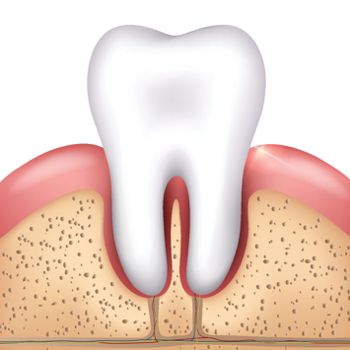
Healthy Gums and Teeth
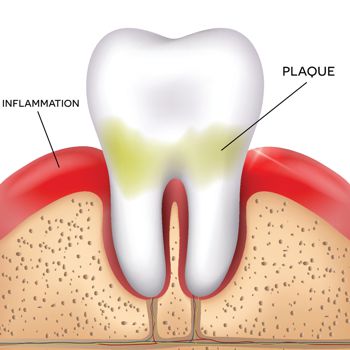
Gingivitis
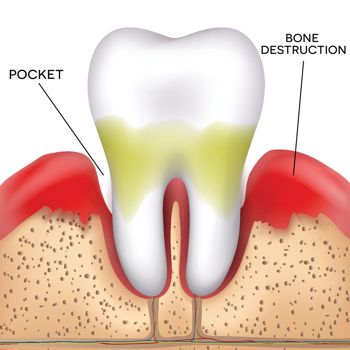
Periodontitis
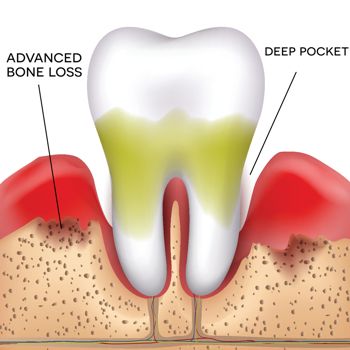
Advanced Periodontitis
The most common symptom of gum diseases is bleeding. The hidden danger is that red, swollen, or bleeding gums often cause so little discomfort and develop so slowly that patients accept the condition as normal. In periodontitis, the fibers of the gums and periodontium are destroyed, the bone is absorbed, and the gums detach from the tooth. As bone destruction progresses, teeth shift, abscesses often form, and eventually, teeth are lost.
Gingivitis is a superficial inflammation of the gums caused by microbial irritants (microbial plaque), while periodontitis is a chronic inflammation of all periodontal tissues and an advanced stage of untreated gingivitis.
Gum diseases are primarily gingivitis and periodontitis, both of which can lead to irreversible destruction of the supporting tissues of the teeth.
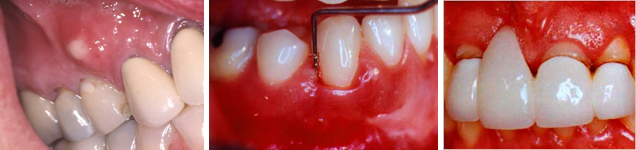
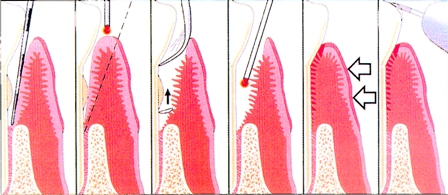
In the early stages of the disease, treatment includes oral hygiene instruction and scaling. It mainly involves root planing below the gums.
Various special tools are used to remove plaque, tartar, and inflamed tissues in the pockets around the tooth and smooth the root surface. This eliminates bacterial colonies and the mechanical and chemical irritants causing inflammation.
In most early-stage disease cases, root planing and proper daily oral hygiene are sufficient for satisfactory results.
The first and most important step is learning the correct way to clean your teeth. The dentist should implement a personalized oral hygiene program for each patient. All programs mainly include proper brushing with an appropriate toothbrush and aim to clean the teeth without causing damage to the teeth or gums.
By adhering to a rigorous oral hygiene routine and following your dentist’s personalized advice, you can effectively prevent gum diseases and maintain healthy teeth and gums.
Price transparency
Every variant of this treatment with its exact price, as listed in the clinic's official price list, no rounding, no hidden ranges.
Read deeper
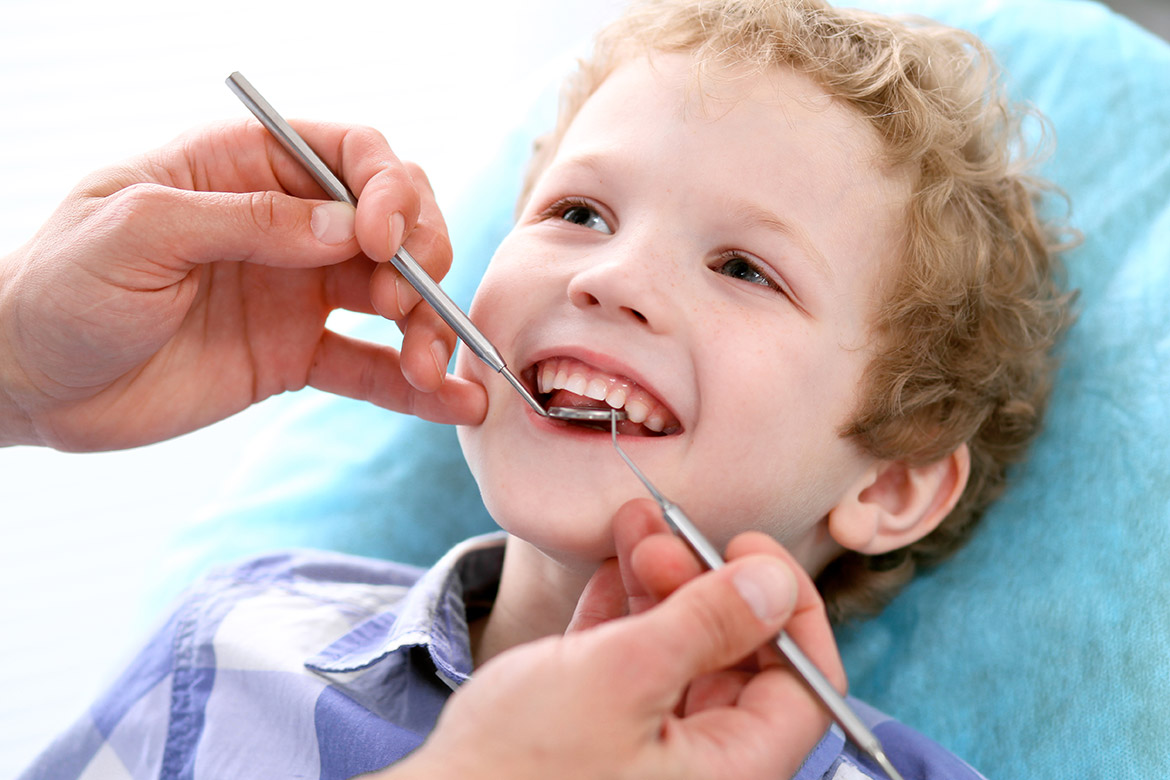
Periodontal Disease During Adolescence
Adolescent hormones intensify gum inflammation. See the first signs and why a check-up at this age matters.

Halitosis
Gums, tongue, dry mouth or periodontitis? See how the real cause of bad breath is identified and what actually helps.
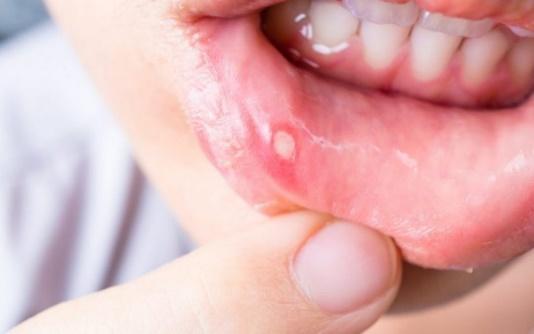
The Main Oral Diseases
Leukoplakia, ulcers, herpes and thrush. See how they differ from one another and when a lesion needs a dentist urgently.

The Impact of Diet on Dental Health
Brushing does not undo a poor diet. See which habits increase decay and gingivitis, and which ones are easy to change.

Oral Care and Antidepressant Medications
Many medicines reduce saliva and increase decay. See how to protect your teeth without stopping your treatment.
Why patients choose us
Our experienced team of specialized dentists ensures your safety and peace of mind, offering treatments based on the latest clinical protocols.
Our clinics combine elegant design, advanced technology, and a welcoming atmosphere to make every appointment enjoyable.
Through innovative prosthetic and aesthetic dental treatments, we restore not only your oral function but also your confidence when you smile.
With two clinics, one in Kato Patissia and one in Piraeus, both just steps away from public transport, you can take care of your smile without hassle.